Can Speech Therapy Treatment in Australia Help With Speech Delays and Stuttering?
Communication plays a major role in a child’s development, confidence, and ability to connect with others. When a child struggles with speech delays or stuttering, it can affect learning, friendships, and everyday interactions at home or school. Many Australian families seek professional support early to help children build strong communication skills and improve their confidence over time. The good news is that speech therapy treatment Australia services are designed to support children with a wide range of communication challenges. With personalised programs and evidence-based strategies, professionals can help kids improve speech clarity, fluency, and overall communication abilities in a supportive environment.

Understanding Speech Delays and Stuttering
Speech delays and stuttering are common communication concerns among children in Australia. While every child develops at their own pace, some may need extra support to strengthen their speech and language skills.
What Is a Speech Delay?
A speech delay occurs when a child develops speech and language skills more slowly than expected for their age. This may include:
• Difficulty pronouncing words clearly
• Limited vocabulary for their age
• Trouble forming sentences
• Delayed understanding of language
• Difficulty following instructions
Speech delays can vary from mild to more noticeable challenges. Early support often helps children improve communication skills before difficulties affect school or social interactions.
What Is Stuttering?
Stuttering is a speech condition that affects the flow of speech. Children who stutter may:
• Repeat sounds or words
• Stretch out certain sounds
• Pause frequently while speaking
• Show frustration when trying to communicate
Stuttering can become more noticeable during periods of excitement, stress, or rapid language development. With the right support, many children learn effective ways to manage fluency challenges.
How Speech Therapy Supports Children
Professional support focuses on helping children communicate more comfortably and confidently. Programs are usually tailored to each child’s needs, goals, and developmental stage.
Improving Speech Clarity
One of the main goals of speech therapy is to improve pronunciation and speech clarity. Professionals use engaging activities, games, and structured exercises to help children produce sounds correctly and communicate more effectively.
Children often learn best through play-based sessions that keep them motivated and comfortable throughout the process.
Building Language Skills
Some children with speech delays may also struggle with understanding language or expressing thoughts clearly. Therapy sessions can support:
• Vocabulary development
• Sentence building
• Listening skills
• Social communication
• Storytelling and conversation skills
These strategies help children participate more confidently in school, family life, and social settings.
Supporting Fluency for Stuttering
Children who stutter benefit from supportive fluency strategies that reduce speaking pressure and build confidence. Sessions may focus on:
• Slowing down speech patterns
• Breathing and pacing techniques
• Reducing communication anxiety
• Encouraging relaxed speaking habits
Families are often included in the process so communication strategies can continue at home in everyday situations.
Why Early Intervention Matters
Early intervention can make a significant difference in a child’s communication development. The earlier speech concerns are identified, the sooner children can begin building important skills.
Children who receive support early may experience:
• Improved confidence
• Better participation at school
• Stronger social connections
• Reduced frustration during communication
• Greater independence in daily activities
Parents are encouraged to seek professional advice if they notice ongoing speech difficulties or concerns about communication milestones.
What Happens During a Speech Therapy Session?
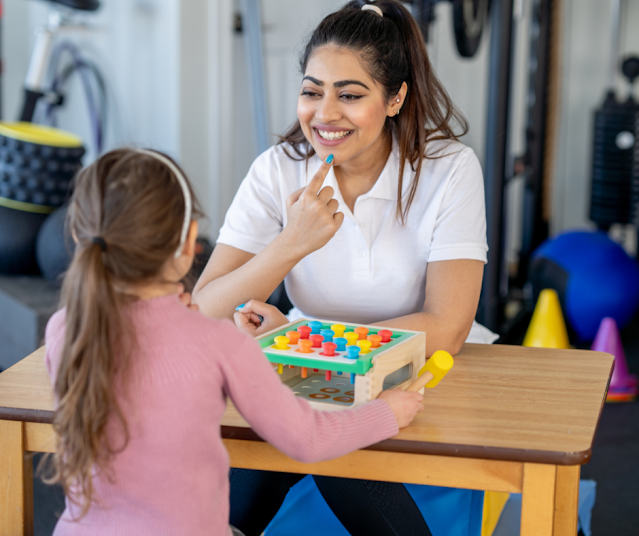
Many parents are unsure what to expect during a session. In most cases, sessions are relaxed, interactive, and designed to make children feel comfortable.
Professionals may use:
• Games and puzzles
• Picture cards and storytelling
• Role play activities
• Sound practice exercises
• Interactive communication tasks
Sessions are often adjusted based on the child’s age, interests, and goals. Families may also receive practical activities to continue at home between appointments.
Can Speech Therapy Help Older Children Too?
Speech support is not only for toddlers or preschoolers. Older children & teenagers can also benefit from professional guidance if communication difficulties continue into school years.
Some older children may struggle with:
• Classroom participation
• Reading aloud
• Social conversations
• Confidence speaking in groups
• Anxiety related to stuttering
With personalised support, many children improve communication skills and feel more confident expressing themselves in different environments.
Choosing the Right Support in Australia
Australia offers a wide range of communication support services for children and families. When choosing a provider, parents often look for professionals who offer:
• Child-focused programs
• Family involvement
• Evidence-based approaches
• Flexible and engaging sessions
• Experience with speech delays and stuttering
It is also helpful to choose a clinic that creates a welcoming and supportive environment for children to learn comfortably.
Parents may consider asking questions about therapy approaches, session structure, and progress tracking before beginning services.
Everyday Strategies Parents Can Use at Home
Families play an important role in supporting communication development. Small daily habits can reinforce the skills children practise during sessions.
Helpful strategies include:
Encourage Conversation
Create opportunities for your child to talk during meals, playtime, or daily routines. Give them enough time to respond without rushing.
Read Together Regularly
Reading books together supports vocabulary growth, listening skills, and sentence understanding.
Model Clear Speech
Speak clearly and calmly during conversations. Children often learn communication habits through listening and observation.
Avoid Correcting Constantly
Instead of pointing out mistakes repeatedly, gently model the correct pronunciation within natural conversation.
Consistency and patience can help children feel more confident while developing communication skills.
Summary
Speech delays and stuttering can affect a child’s confidence, learning, and social interactions, but early support can make a meaningful difference. Through personalised programs, engaging activities, and family involvement, speech therapy treatment Australia services help children build stronger communication skills in a supportive environment. Whether a child needs help with speech clarity, language development, or fluency, professional guidance can provide practical strategies tailored to their individual needs. Many families across the country continue to explore speech therapy treatment Australia options to support their child’s long-term communication success. With the right approach, children can improve confidence, strengthen everyday interactions, and enjoy more positive communication experiences both at home and in the community.
Tomatis® Method Australia 41, Suite 2/ Level 1/44 Pacific Hwy, Waitara NSW 2077 1300 233 572

https://anotepad.com/note/read/t5rixjp7
https://www.bizlinkbuilder.com/articles/is-adhd-therapy-in-sydney-effective-for-adults-and-children
https://goruss.ru/blogs/23746/Struggling-with-Speech-Delay-Treatment-Options-That-Truly-Help

.png)
Comments
Post a Comment